

A new five‑year super‑premium wool contract between Wools of New Zealand (WONZ) and Keraplast is delivering a major boost to strong‑wool growers across the country. The agreement reflects a growing shift toward high‑value, regenerative wool supply chains—offering both financial uplift and long‑term market security for participating farmers.
A 40% Premium Above Market Pricing
For the 2025–2026 financial year, the contract sets a price of $6.88 per kilogram clean, representing around a 40% premium over the prevailing 2025 market rate. This uplift equates to approximately $2/kg above the current market, giving farmers a meaningful return at a time when strong wool has been historically undervalued.
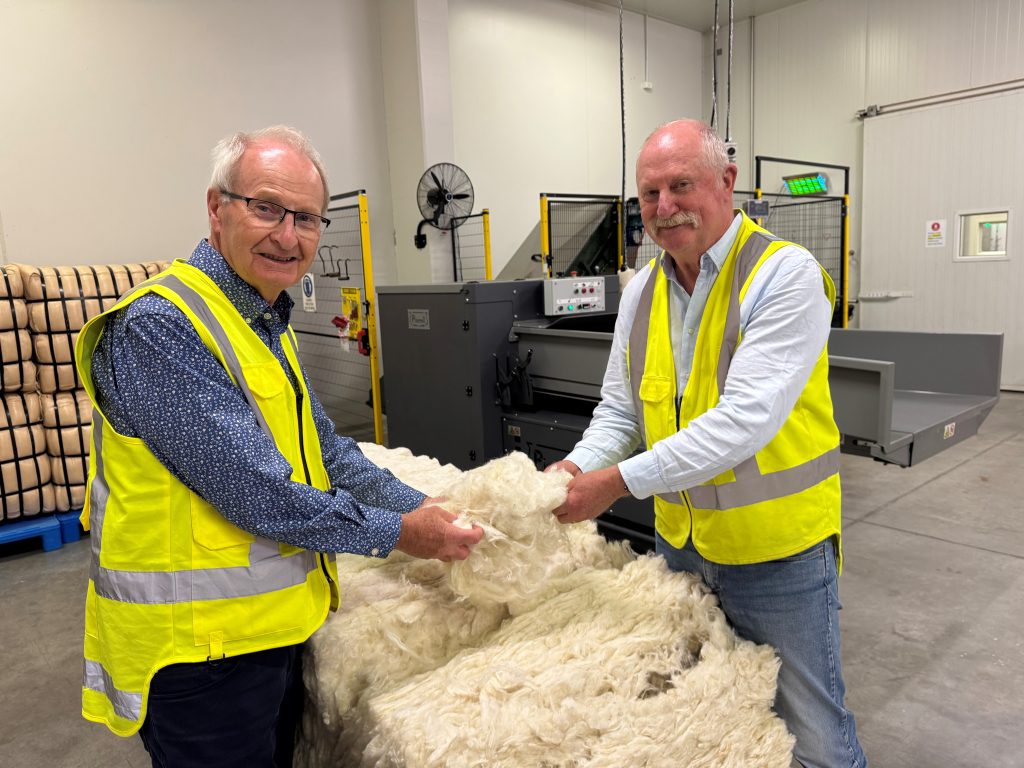
The contract covers 400 tonnes of wool sourced from around 30 New Zealand growers, all certified in regenerative farming practices. The five‑year structure gives growers valuable price certainty and demand security, helping shield them from commodity‑market fluctuations.
Keratin Biomaterials Creating Global Value
Keraplast transforms strong wool into high‑value keratin biomaterials used internationally in:
- wound‑care and medical products
- tissue repair
- nutraceuticals
- hair and skin care
- advanced personal‑care formulations
Keratin makes up roughly 95% of a wool fibre, giving it strength and resilience—attributes that translate directly into performance in Keraplast’s end products. These products reach markets across the United States, Europe, and Asia, reinforcing the global demand for premium New Zealand‑sourced keratin.
Why New Zealand Wool Matters
According to Keraplast CEO Howard Moore, New Zealand’s strong wool has clear advantages over global alternatives, thanks to its:
- consistency
- traceability
- quality
- regenerative farming origins
These characteristics make it an ideal input for biomaterials and help ensure the performance and reliability of Keraplast ingredients.
A Future-Focused Wool Sector
Wools of New Zealand CEO John McWhirter sees the contract as a strong vote of confidence in the future of New Zealand wool. By linking growers directly to high‑value end uses rather than traditional textile markets, the sector can unlock greater returns and long‑term resilience.
The agreement showcases how innovation, sustainability, and strong wool can work hand‑in‑hand to benefit both producers and global consumers.